
Proctology

Expert Proctology Treatment
in New Delhi

Compassionate, confidential treatment for piles, fissures, fistulas, and all anorectal disorders using advanced laser and minimally invasive techniques.
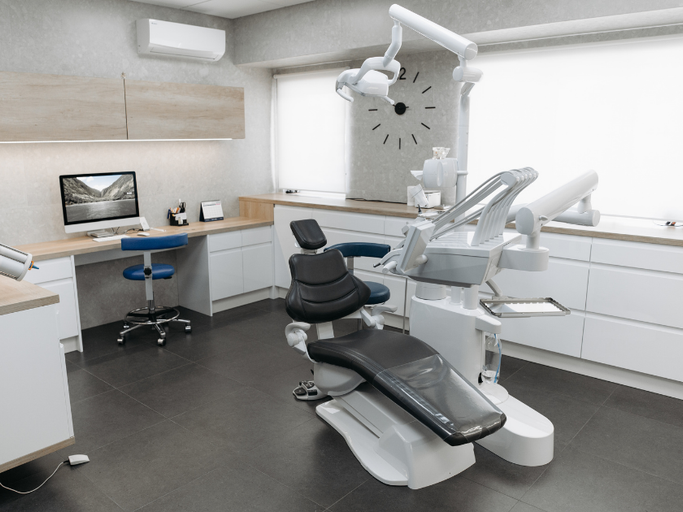
Same-Day Laser Surgery Confidential Consultations Insurance Accepted 14+ Years Experience
Treatment at Divine Health

What is Proctology?

Proctology is the branch of medicine dealing with disorders of the anorectal region — the rectum, anus, and colon. Common proctological conditions like piles (hemorrhoids), anal fissures, and fistulas affect millions of people but are often neglected due to embarrassment. At Divine Health, we provide completely confidential, compassionate proctological care.

Advanced laser procedures mean most anorectal conditions can now be treated on a day-care basis with minimal pain and immediate return to daily activities.
Conditions We Treat

  • Piles (Hemorrhoids): Swollen veins inside or outside the anal canal — causing bleeding, pain, and prolapse.
  • Anal Fissure: A small tear in the lining of the anus causing sharp pain during and after defecation.
  • Anal Fistula: An infected tunnel between the anal canal and outer skin — causing recurring pain, swelling, and discharge.
  • Pilonidal Sinus: An infected cyst near the tailbone containing hair and debris.
  • Rectal Prolapse: The rectum protruding outside the anal opening.
  • Perianal Abscess: A painful collection of pus near the anus — requires urgent drainage.
  • Anal Incontinence: Inability to control bowel movements.
  • Colorectal Cancer Screening: Colonoscopy and flexible sigmoidoscopy.
Advanced colorectal care at Divine Health Delhi

Advanced colorectal care at Divine Health Delhi

Our Key Procedures

Laser Piles Treatment (LHP)

Laser Hemorrhoidoplasty (LHP) is the most advanced treatment for piles. A laser fibre is inserted into the hemorrhoid and laser energy is delivered to shrink the hemorrhoid tissue without any incisions. Walk-in, walk-out procedure with minimal pain and same-day discharge.

Laser Fissure Treatment

Laser lateral internal sphincterotomy treats chronic anal fissures by relaxing the internal sphincter. Immediate pain relief, same-day procedure, no sutures required.

LIFT Procedure for Fistula

Ligation of Intersphincteric Fistula Tract (LIFT) is a sphincter-preserving procedure for complex anal fistulas, preventing incontinence while achieving high cure rates.

Why Choose Divine Health?

  • Completely confidential consultations
  • Day-care laser procedures for piles, fissure, fistula
  • No cutting, no sutures for most procedures
  • 14+ years of proctological expertise
  • 98% patient satisfaction
  • Minimal downtime — return home same day
  • Transparent pricing with all insurance accepted

Treatment Cost Guide

All costs are communicated upfront with no hidden charges. We accept all major insurance plans and offer convenient EMI options.

ProcedureApprox. CostHospital Stay
Laser Piles Treatment (LHP)₹40,000 – ₹70,000Day Care
Stapler Hemorrhoidopexy (MIPH)₹55,000 – ₹90,000Day Care/1 Night
Laser Fissure Treatment₹35,000 – ₹60,000Day Care
LIFT (Fistula)₹55,000 – ₹95,000Day Care/1 Night
Pilonidal Sinus Laser₹40,000 – ₹70,000Day Care

Why Trust Divine Health

NABH Accredited Facility
98% Patient Satisfaction
200+ Insurance Partners
Same-Day Procedures Available
Free Second Opinion
Common Questions

Frequently Asked Questions — Proctology

Clear answers to your questions about proctology

What are the symptoms of piles? +
Piles (hemorrhoids) cause bright red bleeding after defecation, pain or discomfort in the anal area, swelling around the anus, a mucous discharge, itching, and in advanced cases, a prolapsing lump that needs to be pushed back. Bleeding during defecation should always be evaluated by a doctor.
Is laser piles treatment painful? +
Laser Hemorrhoidoplasty (LHP) is performed under anaesthesia, so there is no pain during the procedure. Post-operative discomfort is minimal — most patients rate pain as 1–2/10. No cutting, no sutures, no open wound.
Can piles be cured without surgery? +
Grade 1 and 2 piles can be managed conservatively with high-fibre diet, adequate hydration, sitz baths, and topical medications. Rubber band ligation treats Grade 2 piles in the clinic. Grade 3 and 4 piles causing significant symptoms are best treated with laser surgery.
What causes anal fissures? +
Anal fissures are caused by trauma to the anal canal, most commonly from passing a large or hard stool. Chronic fissures develop due to spasm of the internal anal sphincter reducing blood supply to the area. Constipation, inflammatory bowel disease, and previous surgery can contribute.
Is fistula surgery safe? +
Yes. Modern sphincter-preserving techniques like LIFT, VAAFT, and FiLaC have significantly improved the safety of fistula surgery. These procedures achieve high cure rates while preserving sphincter function and preventing incontinence.
How long is recovery after piles laser surgery? +
Most patients go home 2–3 hours after the procedure and resume light activities the next day. Pain is minimal. Full recovery takes 1–2 weeks. Desk workers return to work in 2–3 days.
What foods should I avoid with piles? +
Avoid spicy food, processed food, red meat, refined flour (maida), alcohol, and caffeine — all of which worsen constipation and increase anal pressure. Eat high-fibre foods (vegetables, fruits, whole grains), drink 2–3 litres of water daily, and exercise regularly.
Can piles occur during pregnancy? +
Yes. Piles are very common during pregnancy due to increased pressure on the pelvic veins and constipation. They are usually managed conservatively during pregnancy with diet, topical treatments, and sitz baths. Surgical treatment is deferred to after delivery if required.
What is a pilonidal sinus and is it common? +
Pilonidal sinus is an infected cavity near the tailbone, usually containing hair, that causes recurrent pain, swelling, and discharge. It is more common in young men with a sitting-dominant lifestyle and excessive body hair. Laser treatment offers a day-care cure with low recurrence.
Does colorectal cancer screening need to be done? +
Yes. Adults above 45 should undergo colorectal cancer screening. Those with a family history of colorectal cancer, polyps, inflammatory bowel disease, or symptoms like rectal bleeding and change in bowel habits should be screened earlier. Colonoscopy is the gold-standard screening test.
Take The First Step

We care For You

Consult with our experienced doctors for accurate diagnosis,
personalized treatment, and complete care you can trust.

WhatsApp Us
500+
Specialists
75K+
Patients Treated
15+
Years of Trust
99%
Patient Satisfaction