
Gynecology

Expert Gynecology Care
in New Delhi

Comprehensive women's health care — from PCOS and fibroid management to minimally invasive hysterectomy and cervical cancer screening.
Women-Only Team Available Minimally Invasive Insurance Accepted 17+ Years Experience
Treatment at Divine Health

Comprehensive Gynecological Care

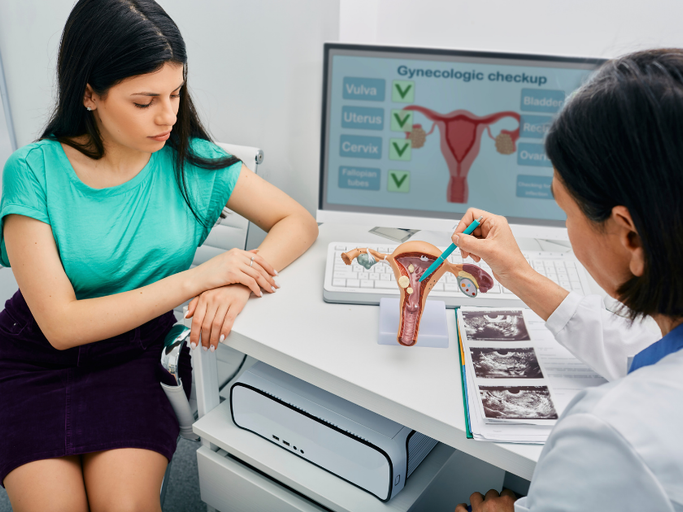
Gynecology addresses the health of the female reproductive system — the uterus, ovaries, fallopian tubes, cervix, and vagina. At Divine Health, our women's health team provides compassionate, confidential care across all stages of a woman's life — from adolescence through menopause and beyond.

We offer both medical and surgical management, with a preference for minimally invasive approaches that preserve organ function and offer rapid recovery.
Conditions We Treat

  • PCOS (Polycystic Ovary Syndrome): Hormonal imbalance causing irregular periods, excess hair growth, acne, and fertility issues.
  • Uterine Fibroids: Non-cancerous uterine growths causing heavy bleeding, pelvic pressure, and fertility issues.
  • Endometriosis: Tissue similar to uterine lining growing outside the uterus, causing pain and infertility.
  • Ovarian Cysts: Fluid-filled sacs on ovaries — managed medically or surgically.
  • Cervical Abnormalities: HPV, cervical dysplasia, COLPOSCOPY, LEEP procedure.
  • Abnormal Uterine Bleeding: Heavy periods, irregular bleeding, postmenopausal bleeding.
  • Menopause Management: HRT, lifestyle counselling, osteoporosis prevention.
  • Pelvic Organ Prolapse: Surgical repair and pelvic floor reconstruction.
Expert womens health care at Divine Health New Delhi

Expert womens health care at Divine Health New Delhi

Our Key Procedures

Laparoscopic Hysterectomy

Minimally invasive removal of the uterus through small incisions. Ideal for fibroids, endometriosis, and certain cancers. Hospital stay is 1–2 days versus 3–5 days for open surgery. Return to normal activities in 2–3 weeks.

Hysteroscopic Procedures

A thin telescope is passed through the cervix to examine and treat the inside of the uterus. Used for fibroid removal (myomectomy), polyp removal, endometrial ablation for heavy periods, and Asherman's syndrome treatment.

Laparoscopic Ovarian Cystectomy

Removal of ovarian cysts while preserving the ovary — important for fertility preservation in young women.

Why Choose Divine Health?

  • Women-first approach with female gynecologist option
  • Minimally invasive laparoscopic and hysteroscopic surgery
  • Integrated fertility and gynecology services
  • Cervical cancer screening program (Pap smear + HPV vaccination)
  • Adolescent gynecology consultations
  • 99% patient satisfaction
  • Confidential consultations

Treatment Cost Guide

All costs are communicated upfront with no hidden charges. We accept all major insurance plans and offer convenient EMI options.

ProcedureApprox. CostHospital Stay
Laparoscopic Hysterectomy₹1,00,000 – ₹1,80,0002–3 Days
Laparoscopic Myomectomy₹80,000 – ₹1,40,0002–3 Days
Hysteroscopic Polypectomy₹40,000 – ₹70,000Day Care
Laparoscopic Ovarian Cystectomy₹60,000 – ₹1,00,0001–2 Days
Endometrial Ablation₹50,000 – ₹80,000Day Care

Why Trust Divine Health

NABH Accredited Facility
98% Patient Satisfaction
200+ Insurance Partners
Same-Day Procedures Available
Free Second Opinion
Common Questions

Frequently Asked Questions — Gynecology

Clear answers to your questions about gynecology

Is PCOS curable? +
PCOS cannot be cured permanently, but its symptoms can be effectively managed with lifestyle changes (diet, exercise, weight loss), medications (metformin, hormonal tablets), and fertility treatments when needed. Early diagnosis and management prevent long-term complications like diabetes and heart disease.
Do fibroids always need surgery? +
No. Small, asymptomatic fibroids are observed with periodic ultrasound. Medical management with hormonal tablets or GnRH agonists can shrink fibroids temporarily. Surgery is recommended for large fibroids causing symptoms or affecting fertility.
Is laparoscopic hysterectomy safe? +
Yes. Laparoscopic hysterectomy is safer than open surgery with less blood loss, fewer wound complications, shorter hospital stay, and faster return to normal activity. Our gynecologists have performed hundreds of minimally invasive hysterectomies.
What is endometriosis and how is it diagnosed? +
Endometriosis occurs when tissue similar to the uterine lining grows outside the uterus (on ovaries, fallopian tubes, bowel, bladder). It causes pelvic pain, painful periods, pain during intercourse, and infertility. Diagnosis is confirmed by laparoscopy with biopsy.
How often should women get a Pap smear? +
Women aged 21–65 should get a Pap smear every 3 years, or every 5 years combined with HPV testing (co-testing). Women with abnormal results or HPV positive results need more frequent follow-up. Divine Health offers both Pap smear and HPV testing on-site.
What are the symptoms of cervical cancer? +
Early cervical cancer may have no symptoms — this is why screening is crucial. Later symptoms include abnormal vaginal bleeding (after intercourse, between periods, or after menopause), unusual vaginal discharge, pelvic pain, and pain during intercourse.
When should girls get the HPV vaccine? +
The HPV vaccine is recommended for girls and boys aged 9–14 ideally before sexual debut, though it remains beneficial up to age 45. It protects against the HPV strains responsible for 70% of cervical cancers. Available at Divine Health.
What is menopause and how is it managed? +
Menopause is the natural cessation of menstruation after age 45–55. Symptoms include hot flashes, night sweats, mood changes, vaginal dryness, and sleep disturbances. Management includes hormone replacement therapy (HRT), lifestyle changes, and supplements.
Can ovarian cysts affect fertility? +
Functional cysts (corpus luteum, follicular) usually resolve on their own and do not significantly impact fertility. Endometriomas (chocolate cysts) and dermoid cysts can affect ovarian reserve and may require surgical removal with care to preserve healthy ovarian tissue.
What is pelvic organ prolapse and how is it treated? +
Prolapse occurs when pelvic organs (uterus, bladder, rectum) sag into or out of the vaginal canal due to weakened pelvic floor muscles — common after childbirth and in postmenopausal women. Treatment ranges from pelvic floor exercises and pessaries to minimally invasive surgical repair.
Take The First Step

We care For You

Consult with our experienced doctors for accurate diagnosis,
personalized treatment, and complete care you can trust.

WhatsApp Us
500+
Specialists
75K+
Patients Treated
15+
Years of Trust
99%
Patient Satisfaction