What Is a Lipoma?
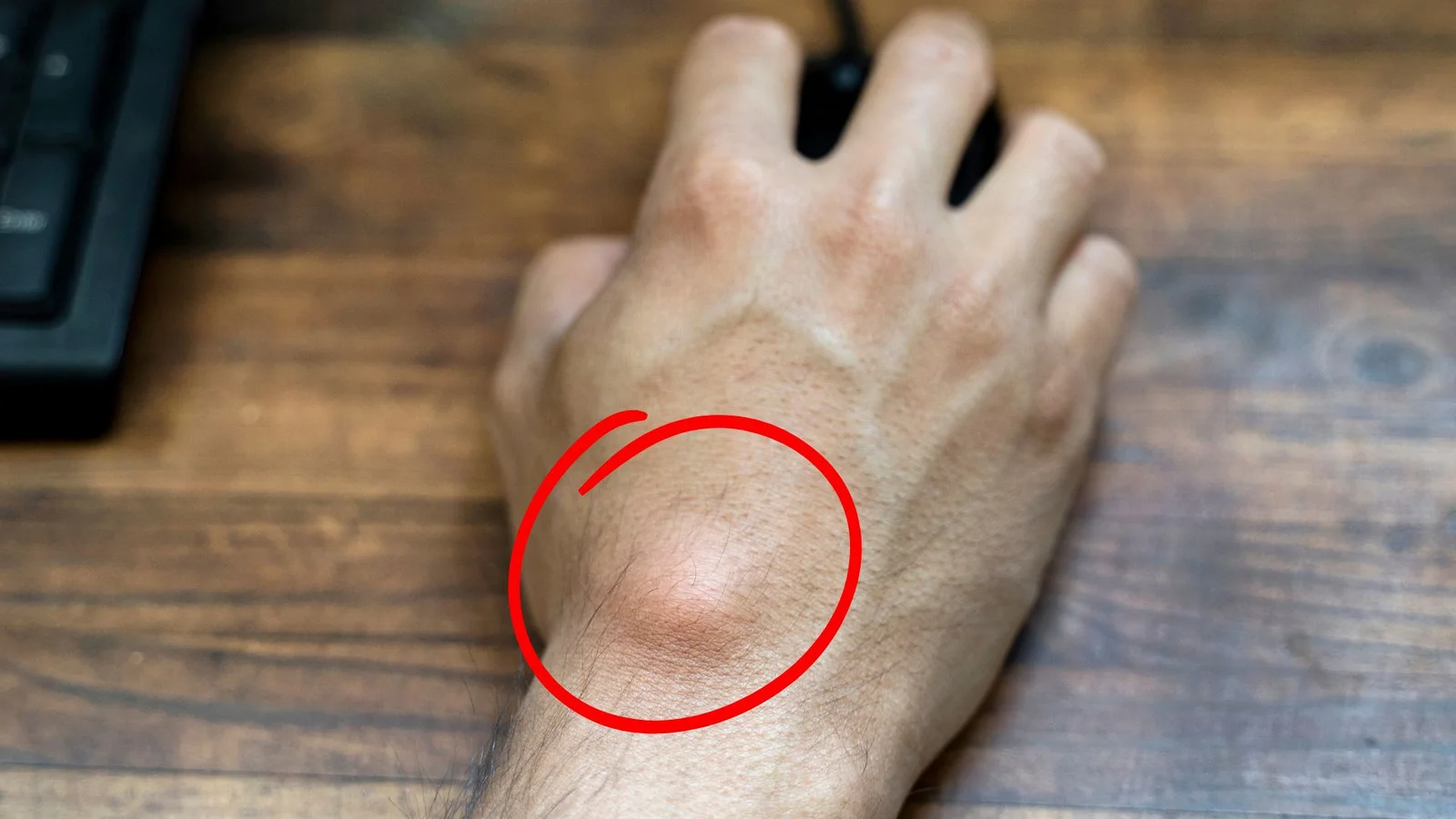
A lipoma is a benign (non-cancerous) tumour composed of fatty tissue that develops just beneath the skin. These growths are typically soft, movable lumps that grow slowly and are generally painless. Common locations include the trunk, shoulders, neck, and arms.
Lipomas are among the most common soft tissue growths — affecting roughly 1 in 1,000 people — and while they are not dangerous, many people choose to have them removed for cosmetic or comfort reasons.
Symptoms of a Lipoma
- Soft, rubbery lump beneath the skin that moves easily when touched
- Typically painless (may cause discomfort if pressing on nerves or near joints)
- Size ranges from less than 1 cm to several centimetres
- Slow-growing nature
- Most commonly on the back, neck, arms, shoulders, and thighs
- Usually no skin discolouration or changes on the surface
Causes & Risk Factors
The exact cause remains unclear, but several factors contribute:
- Genetics: Family history significantly increases risk (familial multiple lipomatosis)
- Age: Most common between ages 40 and 60, though lipomas can appear at any age
- Associated conditions: Dercum's disease, Gardner's syndrome, Madelung's disease, Cowden syndrome
- Trauma: Occasional occurrence following blunt injury
- Metabolic factors: Obesity and certain metabolic conditions may play a role
Diagnosis
Doctors typically diagnose lipomas through physical examination. When a lump is large, painful, or growing rapidly, the following tests may be ordered to exclude cancerous tumours (liposarcoma):
- Ultrasound
- MRI scan
- Biopsy
Treatment Options
Surgical Lipoma Removal
The most common and effective approach. The lipoma is completely excised under local anaesthesia, ensuring minimal recurrence risk and fast recovery with minimal scarring.
Liposuction for Lipoma
Suitable for larger or multiple lipomas. Fatty tissue is suctioned through small incisions. Complete removal is not always guaranteed with this method.
Steroid Injection
Can reduce lipoma size but may not achieve complete removal. Best for small lipomas.
Minimally Invasive Options
- Injection Lipolysis: Dissolves fat tissue via injection; variable results
- Laser Treatment: An emerging alternative for certain types
When Should You See a Doctor?
Consult a doctor immediately if the lump:
- Causes pain or rapidly increases in size
- Shows skin changes or becomes hard and immovable
- Creates cosmetic concerns or interferes with movement
- Has never been diagnosed before
Frequently Asked Questions
Is a lipoma dangerous? Lipomas are benign and very rarely become cancerous, but all unusual growths should be medically evaluated.
Can lipomas be prevented? There is no known way to prevent lipomas, though maintaining a healthy lifestyle and monitoring for changes is advisable.
What is recovery like after surgery? Most patients recover quickly with minimal scarring and very low recurrence rates.
Do home remedies work for lipomas? There is limited scientific support for home remedies. Surgical removal remains the only proven method.