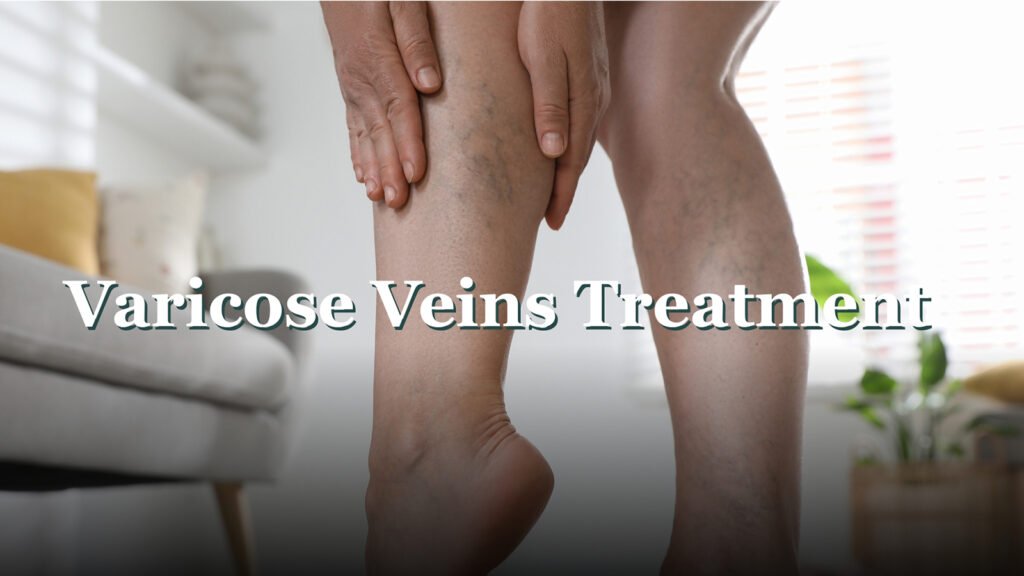
Varicose veins are swollen, twisted veins that appear blue or purple under the skin, most commonly in the legs. These varicose veins develop when vein walls weaken and valves fail, causing blood to pool and pressure to build. Affecting millions worldwide, varicose veins treatment is essential to relieve pain and prevent complications like ulcers or clots. In India alone, over 30% of adults experience varicose veins symptoms, making early diagnosis and treatment crucial for leg health.
What Are Varicose Veins? Understanding the Condition
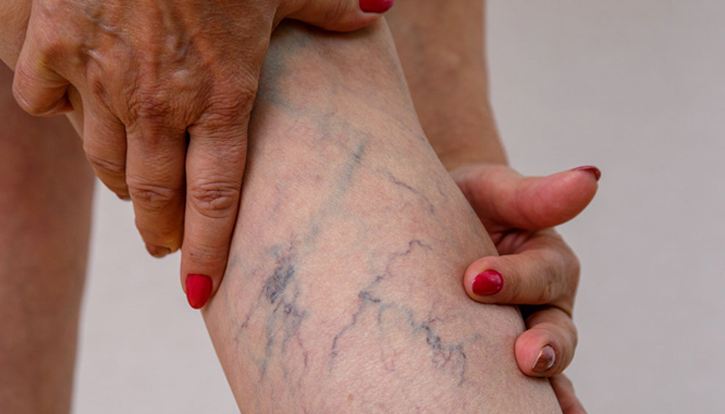
Varicose veins are enlarged, bulging veins greater than 3mm in diameter, typically in the legs due to gravity’s effect on blood flow. Healthy veins have one-way valves preventing backward flow; when damaged, blood refluxes, stretching veins into rope-like structures. Varicose veins symptoms include visible twisting and discomfort, distinguishing them from smaller spider veins.
The condition often starts subtly but progresses if untreated. Varicose veins in legs affect both superficial and deep systems, with the great saphenous vein most commonly involved. In India, varicose veins prevalence exceeds 30% among adults, particularly those standing for long hours like teachers, nurses, and factory workers. Early varicose veins diagnosis via ultrasound prevents progression to chronic venous insufficiency.
Varicose Veins Symptoms: Early Warning Signs & When to Seek Treatment
Common varicose veins symptoms include:
- Aching, heavy, or tired legs, worse after prolonged standing
- Swelling in ankles and feet, especially evenings
- Throbbing, muscle cramping, or burning sensation
- Itchy, discolored skin (brownish) around veins
- Restless legs syndrome at night
Advanced varicose veins symptoms signal complications:
- Leg ulcers near ankles
- Bleeding from ruptured veins
- Inflammation (phlebitis) or hardening skin
- Sudden swelling suggesting deep vein thrombosis
Women, pregnant individuals, and those over 50 experience these most frequently. If symptoms persist despite self-care, professional varicose veins treatment becomes essential.
Causes of Varicose Veins: Primary & Secondary Risk Factors
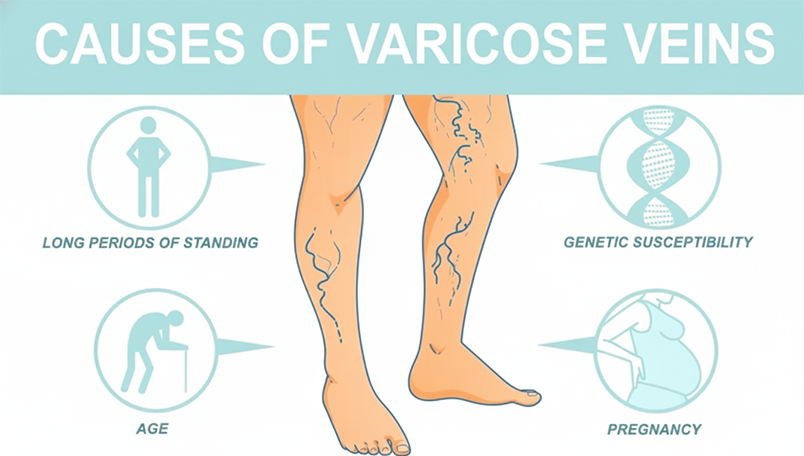
Varicose veins causes stem from valve incompetence leading to venous reflux. Primary risk factors include:
Genetic & Age-Related:
- Family history (50% risk if both parents affected)
- Age-related vein wall weakening (over 50 years)
Lifestyle & Occupational:
- Obesity increasing leg vein pressure
- Prolonged standing/sitting (common in teachers, nurses, sales professionals)
- Sedentary lifestyle impairing calf muscle pump
Hormonal & Physiological:
- Pregnancy (hormonal changes, uterine pressure on pelvic veins)
- Hormonal therapy or menopause
- Female gender (2-3x higher risk)
Secondary Causes:
- Prior deep vein thrombosis (DVT)
- Leg trauma or surgery
- Congenital vein malformations
Varicose veins in legs dominate due to gravity; understanding personal risk factors guides effective prevention.
Varicose Veins Diagnosis: Complete Diagnostic Process
Varicose veins diagnosis begins with thorough history and physical exam:
- Clinical Examination: Standing assessment reveals vein patterns, reflux tests (Tap test, Brodie-Trendelenburg)
- Doppler Ultrasound: Gold standard mapping vein anatomy, valve function, reflux duration (>0.5 seconds abnormal)
- Additional Tests: CT/MR venography for complex cases, plethysmography measuring venous volume
Advanced imaging ensures precise varicose veins assessment, identifying incompetent perforators and deep system involvement before treatment planning.
Varicose Veins Stages & Potential Complications
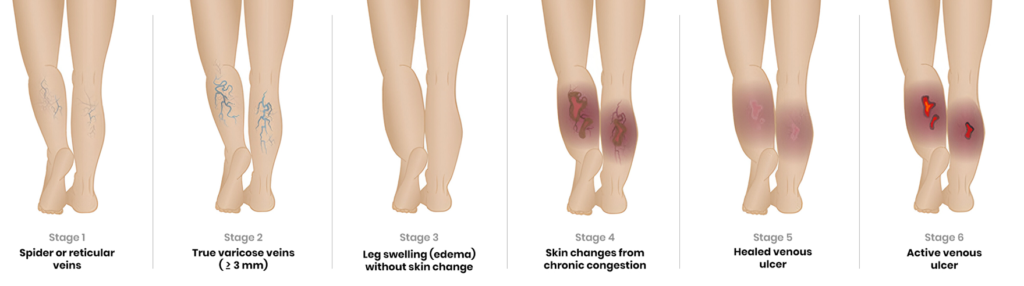
Varicose veins progress through clinical stages (CEAP classification):
C0-C1: No visible signs or spider veins
C2: Varicose veins >3mm
C3: Leg edema
C4: Skin changes (pigmentation, eczema)
C5: Healed ulcers
C6: Active ulcers
Complications include:
- Chronic venous insufficiency (CVI)
- Venous eczema and lipodermatosclerosis
- Venous leg ulcers (90% near medial malleolus)
- Superficial thrombophlebitis
- Deep vein thrombosis risk
Early intervention prevents irreversible skin damage and mobility loss.
Varicose Veins vs Spider Veins: Key Differences
| Feature | Varicose Veins | Spider Veins |
| Size | >3 mm, raised/twisted | <1 mm, fine/flat |
| Symptoms | Pain, swelling, heaviness, cramps | Usually asymptomatic |
| Location | Legs (calf/thigh), deeper veins | Face, legs, superficial |
| Cause | Valve incompetence, reflux | Capillary dilation |
| Treatment | Ablation, surgery, sclerotherapy | Sclerotherapy, laser |
| Complications | Ulcers, clots, CVI | Cosmetic only |
Best Varicose Veins Treatment Options (2025)
Varicose veins treatment ranges from conservative to cutting-edge:
Conservative Management
- Graduated compression stockings (20-30 mmHg Class I-II)
- Leg elevation (15-30° above heart level)
- Regular calf muscle exercises
- Weight management
Minimally Invasive Treatments (95%+ Success)
| Treatment | How It Works | Recovery Time | Success Rate |
| Endovenous Laser Treatment (EVLT) | Laser fiber heat (1470nm) seals veins | 1-2 days | 97% |
| Radiofrequency Ablation (RFA) | Radiofrequency energy closes saphenous | Same day | 95% |
| Ultrasound-Guided Foam Sclerotherapy | Foam sclerosant collapses veins | 1-3 days | 85-90% |
| VenaSeal (Cyanoacrylate Glue) | Medical adhesive seals veins—no heat | Immediate | 94% |
| Ambulatory Phlebectomy | Hooks remove surface veins via 1-2mm cuts | 1-2 days | 98% |
Traditional surgery (vein stripping) now <5% of cases.
Patient Recovery Timeline After Varicose Veins Treatment
Day 1: Mild soreness, walking encouraged
Week 1: Compression stockings, avoid heavy lifting
Week 2: Resume work, bruising fades
Month 1: Veins close completely, normal activities
Month 3: Full cosmetic results, skin texture improves
Walking 30 minutes daily prevents clots; 90% report symptom relief within 2 weeks.
Varicose Veins Treatment Cost in India (2025)
Transparent pricing per leg:
- EVLT/RFA: ₹80,000-₹1.5 lakhs
- Foam Sclerotherapy: ₹30,000-₹50,000
- VenaSeal: ₹1-1.8 lakhs
- Phlebectomy: ₹40,000-₹70,000
Factors: vein extent, bilateral treatment, hospital facilities. EMI options available.
Varicose Veins During Pregnancy: Special Considerations
Pregnancy increases risk 3-fold due to:
- Progesterone relaxing vein walls
- Uterine pressure on pelvic veins
- Increased blood volume (40-50%)
Management: Compression stockings, leg elevation, avoid standing. Invasive treatment post-delivery unless complications (DVT, ulcers). C-section patients higher risk.
Varicose Veins Prevention: 10 Proven Strategies
- Maintain a healthy BMI
- Walk 30 minutes daily
- Elevate legs when resting
- Wear compression stockings for high-risk jobs
- Avoid tight clothing at waist/legs
- Take standing breaks hourly
- Stay hydrated
- High-fiber diet prevents constipation
- Calf muscle strengthening exercises
- Regular vein checkups after 40
Most Asked FAQs About Varicose Veins Treatment
- Are varicose veins dangerous?
Varicose veins are mostly cosmetic but can become painful and lead to complications like ulcers, bleeding, or blood clots if untreated. Early treatment minimizes risks. - What causes varicose veins?
They are caused by weakened vein valves that allow blood to pool, combined with factors such as aging, genetics, pregnancy, obesity, and prolonged standing. - Can varicose veins disappear on their own?
Varicose veins rarely resolve without intervention. They usually worsen over time if untreated, highlighting the importance of early diagnosis. - Do compression stockings cure varicose veins?
Compression stockings help manage symptoms by improving blood flow but do not fix valve dysfunction or eliminate varicose veins permanently. - Is laser treatment painful?
Laser treatments use local anesthesia or mild sedation, so patients typically experience mild discomfort. Recovery is quick. - How long does Endovenous Laser Treatment (EVLT) take?
An EVLT session typically lasts 30 to 45 minutes per leg and is usually performed as an outpatient procedure. - Will varicose veins recur after treatment?
Recurrence rates are low (<10%) with advanced treatments and proper post-procedure care. - Can I drive after varicose vein treatment?
Most minimally invasive treatments allow patients to drive themselves home the same day. - Is varicose vein treatment covered by insurance?
Insurance coverage varies; many policies cover treatment if symptoms are severe or progressive. It’s best to check individual plans. - When should I worry about leg swelling?
Sudden one-sided swelling may indicate a blood clot and requires emergency medical evaluation. - Can I exercise after treatment?
Walking is encouraged immediately after treatment; more strenuous exercise typically resumes after a week. - Is varicose veins treatment safe during pregnancy?
Treatment is generally deferred until postpartum unless complications like ulcers or thrombosis occur. - How do varicose veins differ from deep vein thrombosis (DVT)?
Varicose veins are superficial and generally less serious, while DVT affects deep veins and carries a risk of pulmonary embolism. - Are home remedies effective?
Home care can alleviate symptoms but cannot cure varicose veins; professional treatment is required for lasting results. - What is the best age to get varicose vein treatment?
Treatment is recommended when symptoms cause discomfort or visible distress, regardless of age.
Why Choose Divine Health for Varicose Veins Treatment?
Divine Health offers world-class varicose veins laser treatment featuring:
- 30+ NABH-certified vascular specialists
- Latest 1470nm EVLT & ClosureFast RFA systems
- 98% patient satisfaction, minimal recurrence
- Comprehensive pre/post-care packages
- Affordable pricing with flexible payments
Book Your Free Varicose Veins Consultation Today!
Ready to eliminate varicose veins pain and appearance? Book FREE consultation at Divine Health now!
- Expert Doppler ultrasound diagnosis
- Personalized treatment plan
- Transparent cost breakdown
- EMI payment options
📞 Call/WhatsApp:+91 9266483870
🌐 divinehealthcare.in
Take the first step towards pain-free legs today!